Measure. Compare. Make Room.

Storage Unit Size Guide

What size storage unit do you need?

Start with your belongings, then compare the space. Use this guide to explore common storage unit dimensions before checking available options at Storage Philo in Philo, Ohio.

A guide to fit, not a guarantee. Capacity depends on item dimensions, stacking and access space. Confirm the actual unit and door dimensions before renting.

Before You Choose

Three Steps to a Better Fit

List What You’re Storing

Count boxes and totes. Add furniture, appliances and equipment that will need their own floor space.

Measure the Largest Items

Record length, width and height. Note which pieces can be disassembled and which items cannot be stacked.

Allow Room for Access

Leave space to reach belongings you will use regularly. An access aisle reduces the floor area available for storage.

Compare at a Glance

Storage Unit Dimensions and Common Uses

Dimensions below are in feet. Square footage describes floor area, not the total volume or usable packing capacity.

Common storage sizes for comparison
Unit Size Floor Area A Starting Point For Consider Before Renting
5×5 25 sq. ft. Boxes, decorations and a few small furnishings Bulky items can fill the footprint quickly.
5×10 50 sq. ft. Seasonal belongings and compact furniture Check the width of furniture and the doorway.
10×10 100 sq. ft. Furniture, boxes and household overflow Plan around items that cannot be stacked.
10×15 150 sq. ft. A larger mix of furniture, appliances and boxes Reserve space for access during a move or renovation.
10×20 200 sq. ft. Larger household projects and business inventory Measure oversized pieces and allow for an aisle.
10×30 300 sq. ft. Substantial furniture collections and larger moves Check whether a smaller space could meet your needs.

These are general size examples. Offered sizes and availability may differ. Review the live rental listings for Storage Philo’s current options.

Picture Your Belongings

What Can Fit in Each Storage Unit Size?

Use these examples to build a shortlist, then check your measurements against the space you plan to rent.

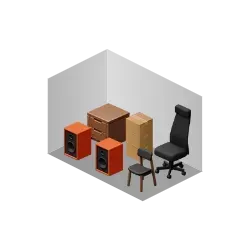
5×5 Storage Unit

25 square feet

For a smaller cleanout.

A compact footprint to consider when boxes and seasonal belongings are taking over a closet or corner of a room.

  • Stackable boxes and storage totes
  • Holiday decorations and small household items
  • A few compact pieces of furniture

Fit tip: Measure each furniture piece before assuming it will fit alongside your boxes.

5×10 Storage Unit

50 square feet

For seasonal rotation.

Consider this size for a mix of packed belongings, smaller furnishings and gear you use less often.

  • Camping equipment and sports gear
  • Small tables, chairs or shelving
  • Boxes from a spare room or apartment

Fit tip: A narrow footprint makes furniture width and packing order especially important.

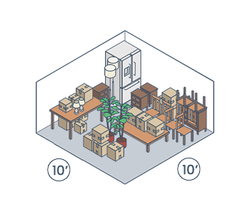
10×10 Storage Unit

100 square feet

For furniture and everyday overflow.

A useful size to consider when your project includes several furniture pieces as well as boxes and seasonal belongings.

  • A combination of bedroom or living-room furniture
  • Moving boxes and household totes
  • Business supplies or small equipment

Fit tip: Sketch the layout around your largest pieces before adding smaller containers.

10×15 Storage Unit

150 square feet

For a growing storage project.

Compare this option when furniture, appliances and packed belongings need to stay together during a household change.

  • Furniture from multiple areas of the home
  • Appliances and boxed household items
  • Office furniture and inventory

Fit tip: Keep items you will need during the project near the entrance.

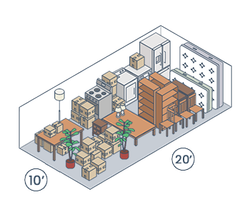
10×20 Storage Unit

200 square feet

For bigger moves and renovations.

A larger footprint to consider for substantial furniture, equipment and box collections.

  • Several furniture sets and appliances
  • Household belongings during a move
  • Shelving, tools and business inventory

Fit tip: Mark out an access aisle before estimating how much floor space you can fill.

10×30 Storage Unit

300 square feet

For substantial storage needs.

Compare this size when you have a large volume of belongings or bulky pieces that need considerable floor area.

  • Large furniture collections and packed belongings
  • Equipment and multiple shelving units
  • Combined household or business storage

Fit tip: Divide the layout into zones so you can find items without unpacking the entire unit.

Choose With Confidence

Between Two Storage Unit Sizes?

The smaller option may work when your belongings stack well, furniture can be disassembled and you will rarely need to retrieve individual items.

Consider more space when you have bulky furniture, items that cannot be stacked, or a need to walk into the unit regularly. Expected additions also belong in your estimate.

Choose from your measurements and access needs rather than a bedroom-count estimate alone.

Size Questions, Answered

Choosing Your Storage Unit Size

How do I estimate the storage space I need?

List your belongings, measure the largest pieces and group boxes by size. Sketch a floor plan or mark out a space at home. Allow for items that cannot be stacked and an aisle if you need regular access.

What is the difference between a 5×10 and a 10×10?

A 5×10 provides 50 square feet of floor area. A 10×10 provides 100 square feet, twice the floor area. The wider footprint can offer more layout options for furniture, but actual fit depends on your belongings and the unit’s doorway.

Will a 10×10 unit hold a one-bedroom apartment?

It may suit some one-bedroom apartment contents, but room count alone cannot confirm the fit. Furniture dimensions, box quantities, appliances and access space can change how much room you need.

Does square footage tell me how much I can store?

Square footage measures floor area. Usable height, door clearance and the shape of your belongings also matter. Stacking can save floor space when containers and items can safely support it.

Are all the sizes in this guide available at Storage Philo?

This guide compares common storage sizes. Check the current rental listings for offered sizes and availability, or call (740) 293-5252 for help finding an option.

Have questions about the rental process? Visit our rental FAQs.

From Comparing to Choosing

Found Your Starting Size?

Check current units and rates at Storage Philo, 755 Clark Street, Philo, OH 43771.

Size Guide

While the size requirements for storing personal belongings may vary depending on the items being stored and the renter's organization skills, the guide below can be used as a starting point to help determine the appropriate storage size.

1

Step One - Select Your Item Sizes

Put together a list of items that can fit in boxes and what size boxes. Don't forget to include items that cannot fit in boxes

2

Step Two - Categorize Your Items

Make a quick list of items you plan to store, including furniture, appliances, and any awkwardly-shaped items that will not be packed in boxes

3

Step Three - Categorize Your Item Quantities

Determine how many boxes of different sizes you'll be using. Make a list of all the pieces of furniture and other items you need to store in your unit

4

Step Four - Estimate What Size Unit You Need

Now that you have compiled a list of how many boxes and items you need to store in your unit, use our Size Guide Breakdown below that gives tips and suggestions on what size unit you may need